




A quick search for "baby with eczema" and you will get hit with the same advice: dress them in cotton. Avoid wool.
I read that advice. And then I ignored it. Why? Because merino isn't just any old scratchy wool sweater you got from Nana.
What I noticed from the beginning
My daughter has had small patches of eczema since she was tiny. Nothing dramatic, just something we keep an eye on. From the beginning I dressed her in merino wool, I mean I started a merino wool clothing company...and there has been a lot of research on the benefits of merino wool for babies sensitive skin.
What I have noticed is that on the days she wears merino, her skin stays calm. On the days she ends up in any other fibre (aka plastic) I notice small flares starting. It is consistent enough that I don't question it anymore.
What happened in hot weather
This spring break we headed somewhere warm. 100+ degree heat, lots of time outside. Within a day her skin was angrier than I had ever seen. The combination of sunscreen, heat and sweat caused the patches and behind her knees to flare up. All are known eczema triggers and she was getting a full dose every day.
So I made a small change. Instead of her cutesy vacation clothes I put her in our lightweight merino.
Two things happened.
First, I did not need to put sunscreen on her arms and legs. Merino is naturally UPF 50, meaning it blocks ultraviolet radiation on its own. No chemicals, no rubbing product into already irritated skin, no fighting a squirmy one year old to reapply every two hours.
Second, her skin calmed down. Merino wicks moisture away from the body and is breathable. For eczema, where heat and trapped moisture are two of the biggest triggers, that combination matters more than I expected in a warm weather climate.
Why the "avoid wool" advice exists and why merino is different
The warning to avoid wool is completely valid for traditional wool. Coarse wool fibers are scratchy, they irritate sensitive skin, and they trap heat. For a baby (or literally anyone) with eczema that is a genuinely bad combination.
But merino wool IS NOT traditional wool.
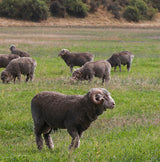
Merino fibers are so fine they bend on contact with skin instead of poking it. There is no scratch, no itch. The fiber diameter of merino is so much smaller than conventional wool that calling them the same thing is almost misleading. They share a name but they behave completely differently against sensitive skin.
What I want to be clear about
I am not a doctor. This is not medical advice. Eczema is complex and every child is different.
But I am a mom of three girls who has been watching my youngest daughter's skin for almost 2 years, and the pattern I keep seeing is hard to ignore. Merino keeps things calm. Polyester, bamboo, and even cotton do not. Sunscreen and heat in non natural fabrics made things worse. Merino in the same heat made things better.
If you have a baby or toddler with sensitive skin and you have been avoiding merino because of the wool warning, I think it is worth a second look. The advice was written with traditional wool in mind. Merino is a different thing entirely.
What we make for sensitive skin
Our entire line is made from 100% merino wool, for the whole family. From newborns to nursing moms to adults, every piece is made with the same fine, soft merino fiber. No synthetics added, just wool that is genuinely soft enough for the most sensitive skin.
If you have been on the fence about merino for your little one with sensitive skin, we made this line for exactly that reason. We hope you feel the difference.
If you try it and notice something, we genuinely want to hear from you.
Kailey